









Shop by Category
Textures and Tones: The Sensory Experience of Fashion
A deep dive into how fabric choice and color palettes influence the emotional and visual impact of womenswear.
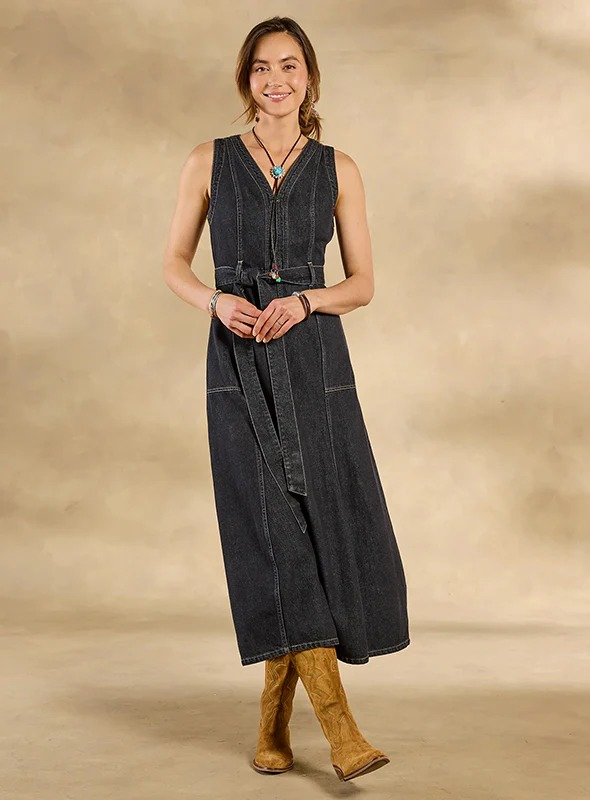
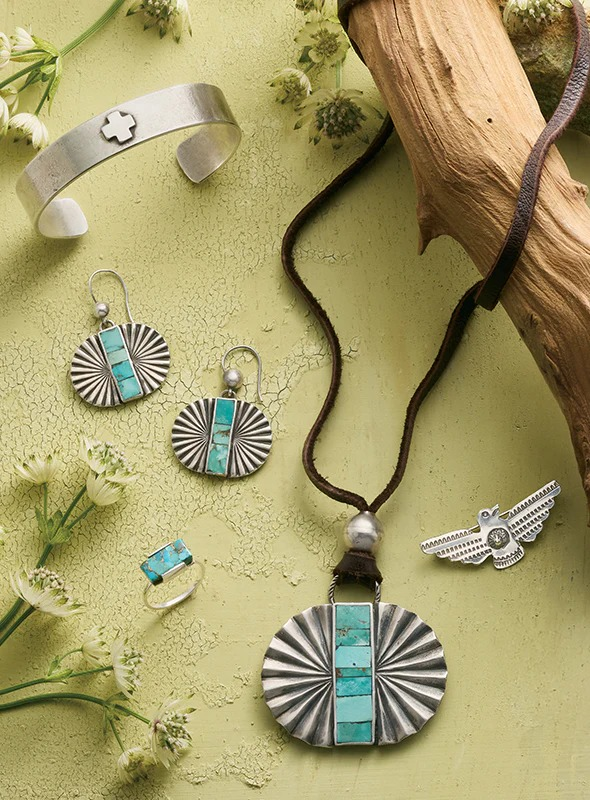
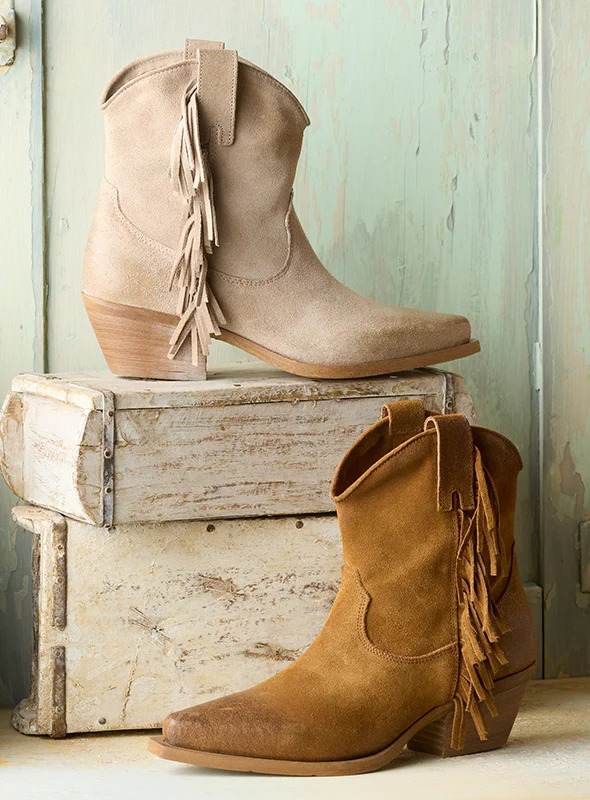
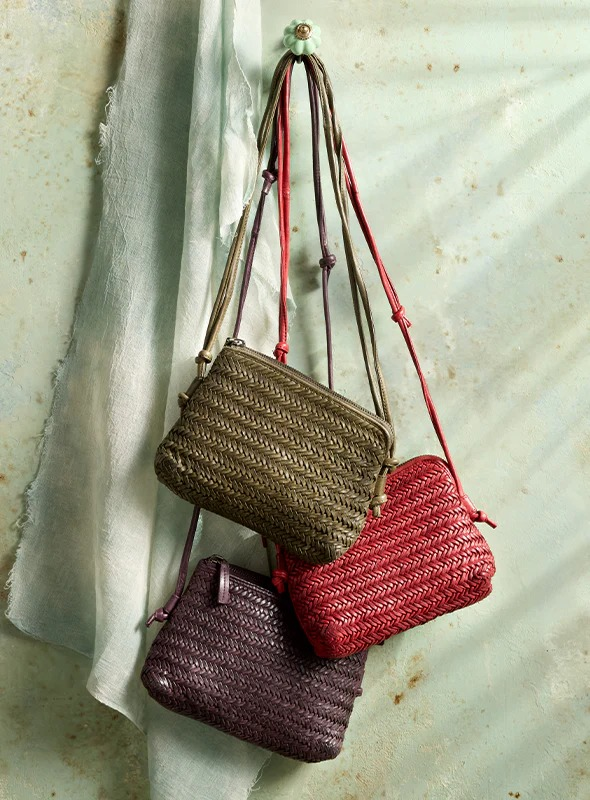
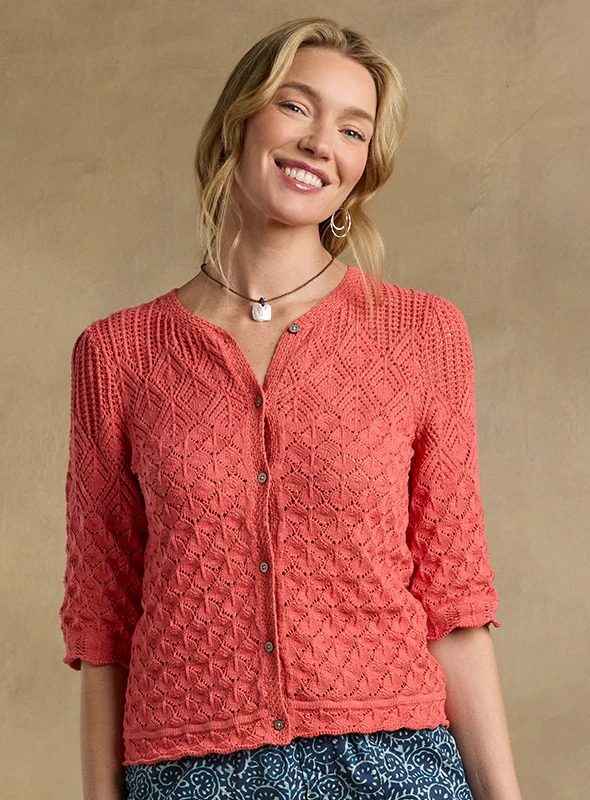
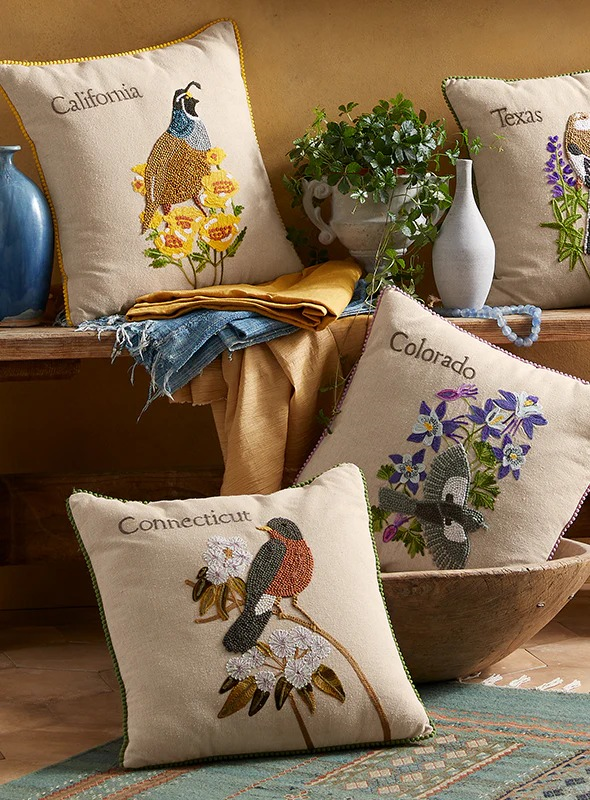
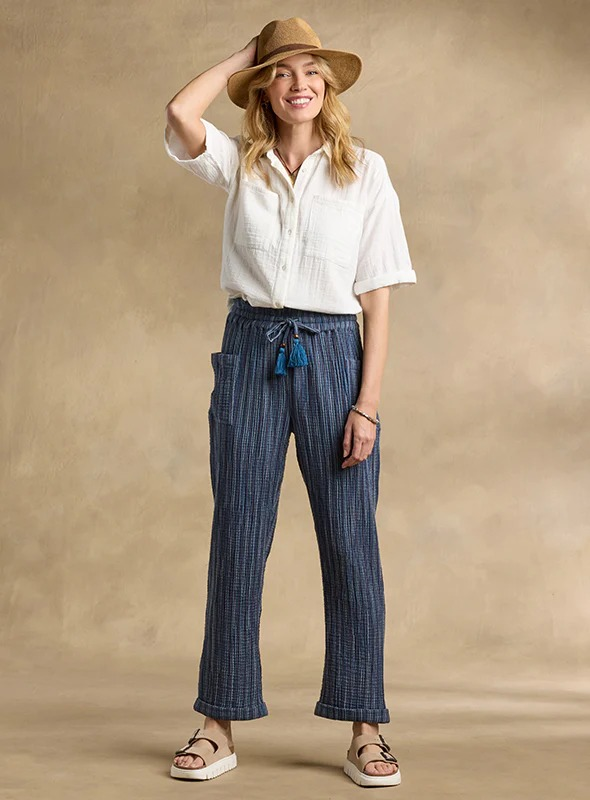
Fashion is a visual medium, but its true essence lies in the sensory experience. The way a fabric feels against the skin and the way a color evokes a particular mood are fundamental to how women interact with their clothing. In this exploration, we look at how textures and tones work together to create a compelling fashion narrative.
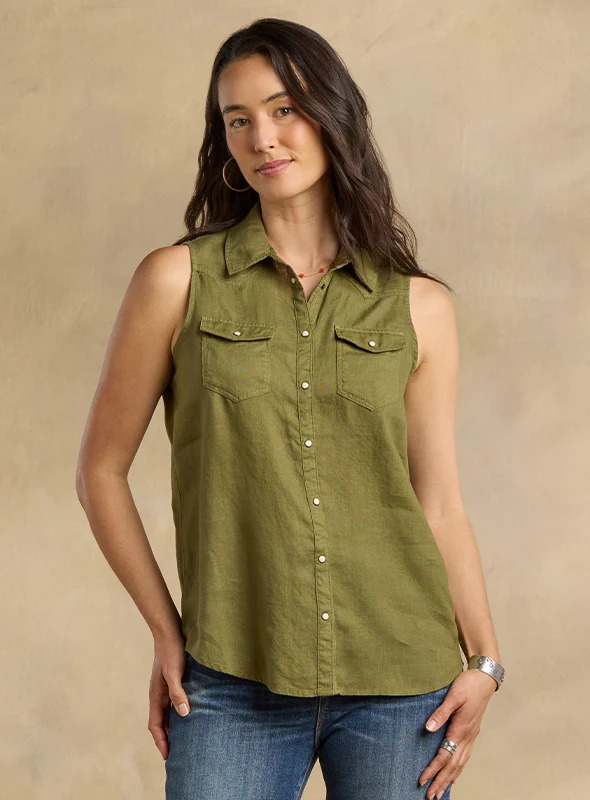
Natural fibers like silk, cashmere, and linen have a timeless appeal because of their unique tactile qualities. Silk offers a cool, fluid drape that suggests luxury and evening elegance. Cashmere provides a soft, insulating warmth that feels like a physical embrace. Linen, with its characteristic crispness and breathability, evokes a sense of relaxed, sun-drenched ease. When a designer combines these textures—such as a chunky knit cashmere sweater paired with a sleek silk skirt—the contrast creates a sophisticated visual tension.
Color is equally powerful. Soft neutrals like oatmeal, slate, and bone provide a sense of calm and stability. They act as “anchor” colors that allow the wearer’s personality to shine through. On the other hand, saturated tones like deep burgundy, forest green, or royal blue can project strength and passion. The psychology of color suggests that what we wear can influence our confidence levels and how others perceive our openness or authority.
In the modern wardrobe, the interplay of texture and tone allows for endless creativity. A monochromatic outfit becomes interesting when it features a mix of textures—velvet, leather, and wool all in the same shade of black, for instance. This approach to dressing encourages a more mindful connection with our clothes, urging us to appreciate the craftsmanship and the physical reality of the garments we choose to wear every day.